
The Breathe Green Design Corp.
We are a people+planet friendly US benefit corporation
MENU
We are a people+planet friendly US benefit corporation
Neuroscience-Based Hospitality Design for Rest and Recovery
The Breathe Green Hotel Wellness Suite redefines hospitality design by transforming a traditional hotel room into a multi-sensory, restorative environment that enhances rest, recovery, and emotional well-being. This neuroscience-based design approach integrates biophilic design and adaptive environmental systems to create a high-performing guest experience aligned with human biology.
Breathe Green's multisensory, neuroscience-based design supports deep rest, emotional regulation, and cognitive clarity within hospitality environments. Sensory layering and spatial cues reduce stress by approximately 10–15%, while improving relaxation and sleep quality by 20–25% and enhancing mental clarity by 10–15%.
Circadian-aligned lighting and amber evening tones support melatonin production and deeper sleep cycles. Biophilic design elements, including moss-textured flooring, plant-integrated zones, and natural wood finishes, reduce anxiety and support physiological calm. A water feature and scent-infused foliage provide sensory grounding that enhances emotional balance and guest comfort. These combined elements activate restorative brain states associated with calm, deep rest, and clarity.
Together, these strategies create a restorative, brain-optimized hospitality environment that improves well-being and elevates the guest experience.
The design transforms a conventional hotel room into an adaptive, biophilic, multi-sensory environment grounded in neuroscience-based design principles.
The suite is organized into distinct wellness zones, including a restorative sleep area, a plant-framed work nook, and a relaxation lounge. Integrated strategies include circadian lighting, tactile materials, panoramic nature views, and immersive sensory elements that promote calm and engagement.
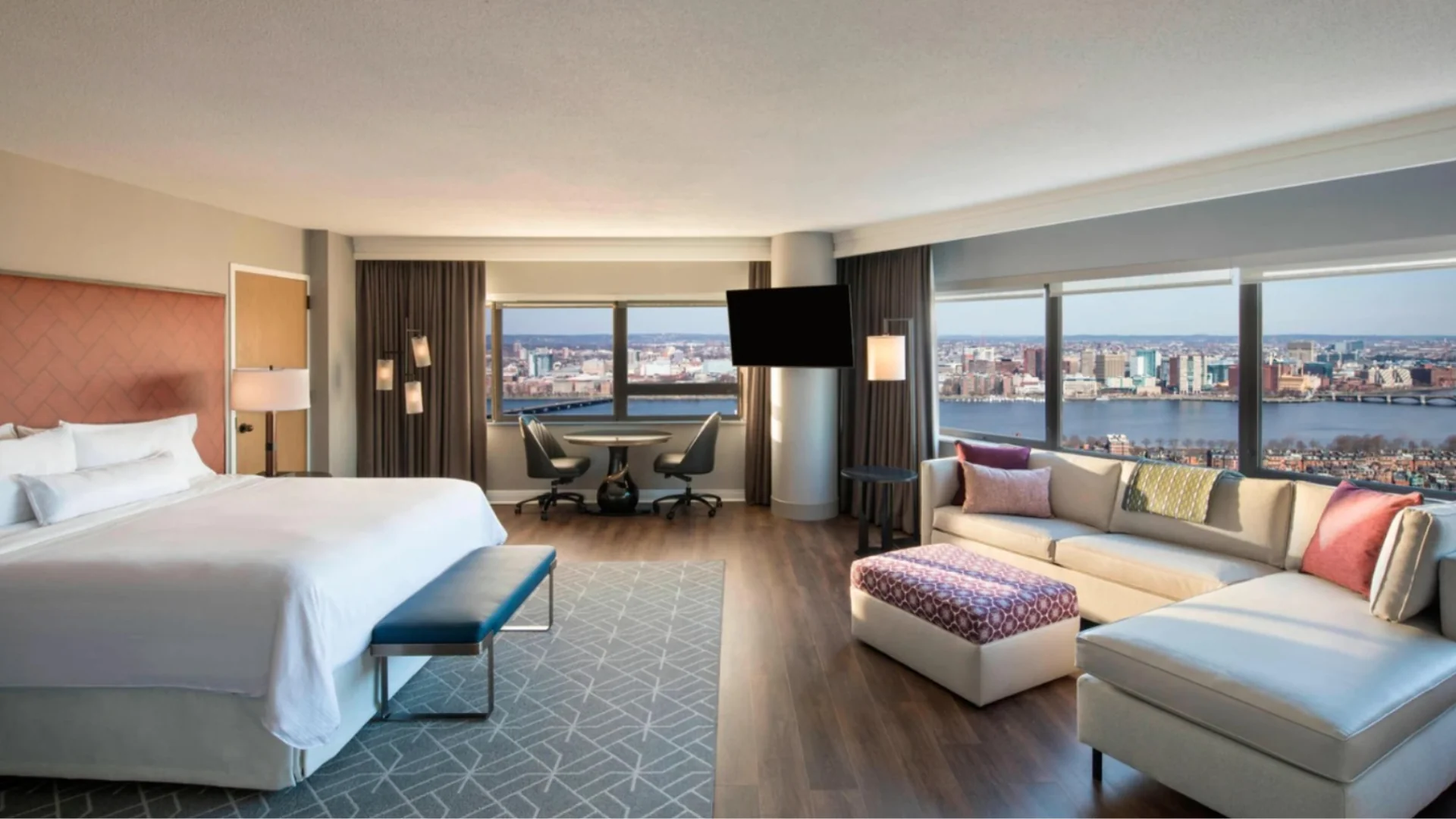
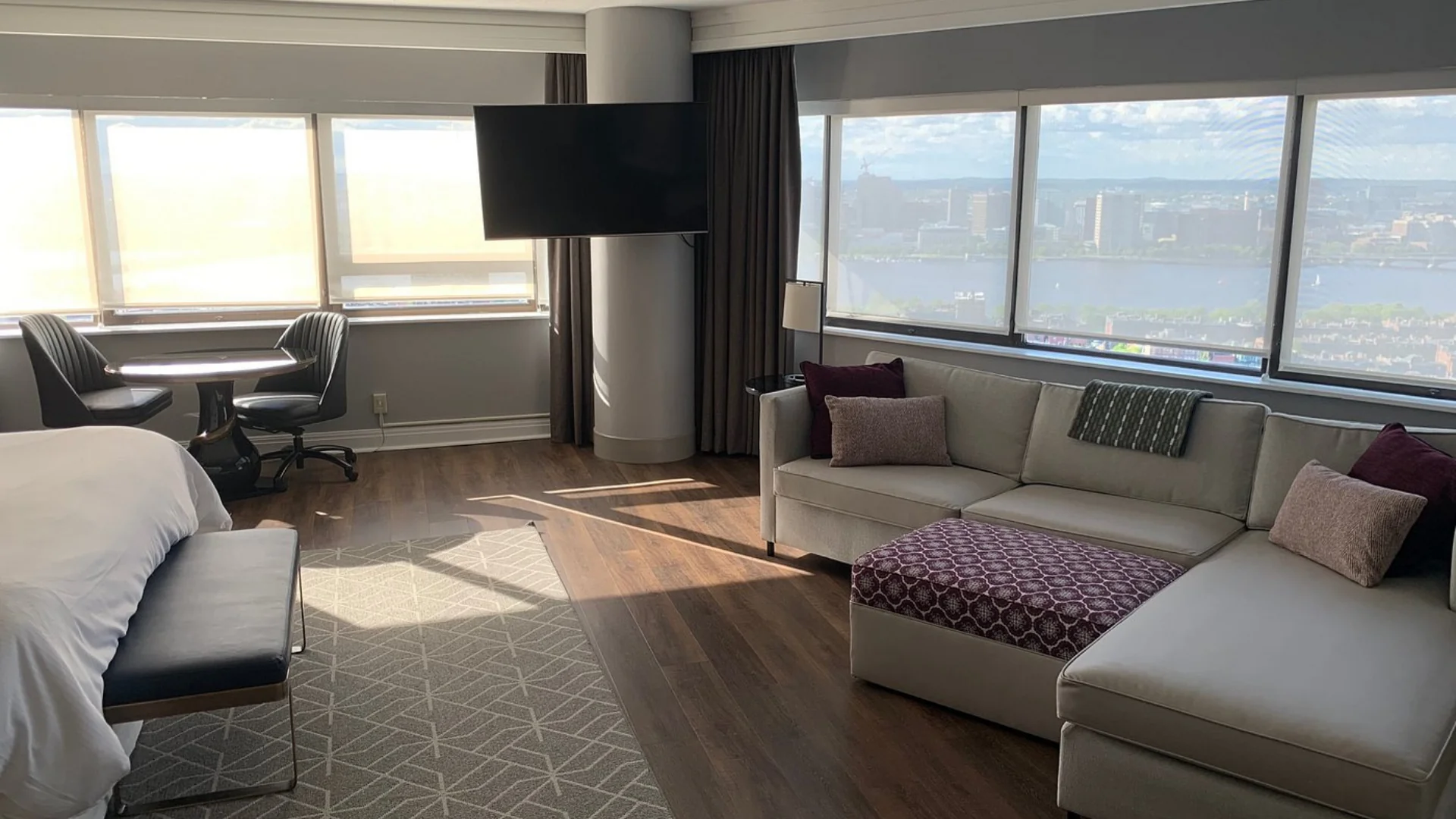
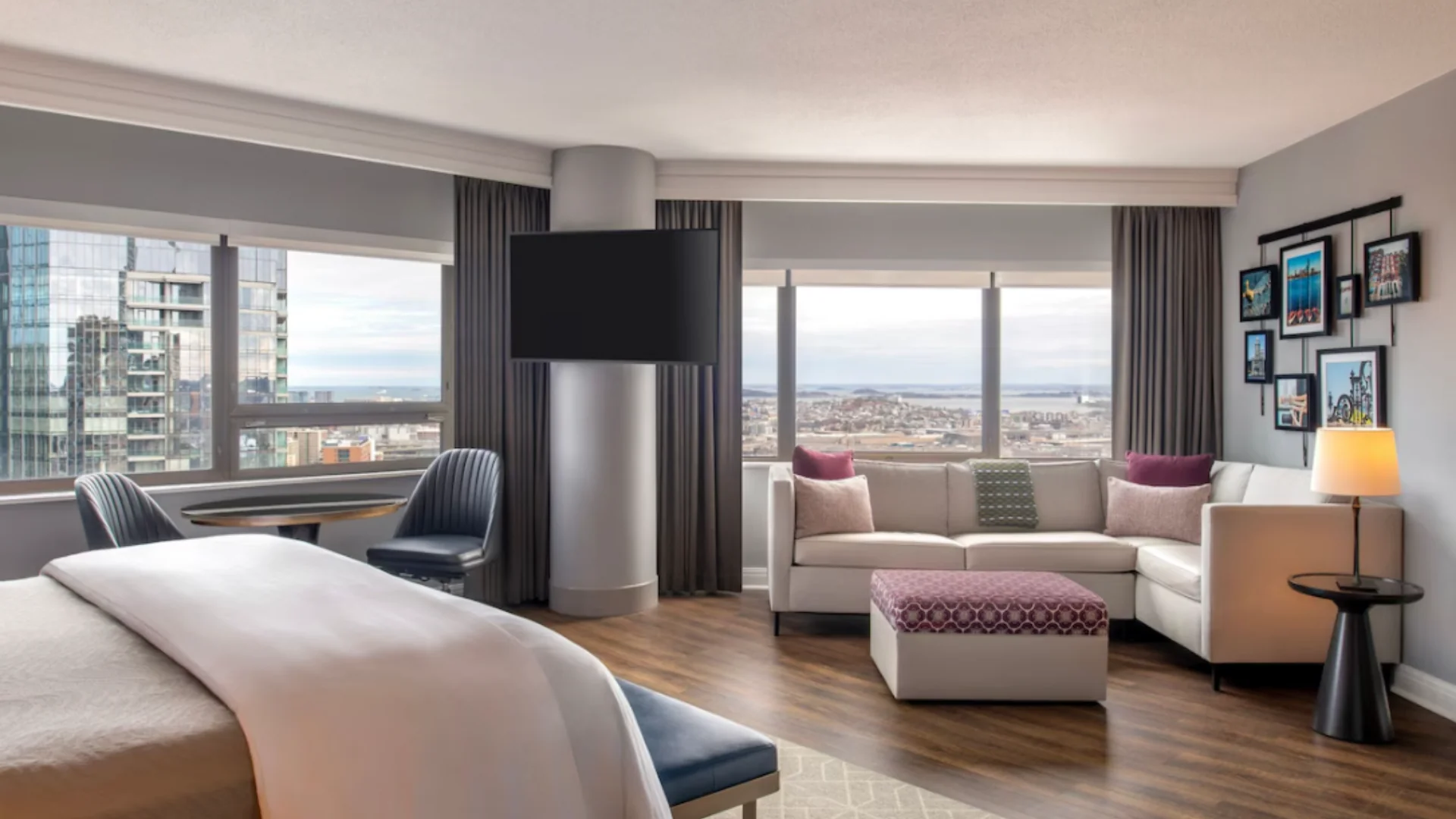
Natural textures and greenery reduce stress and enhance comfort, while adaptive lighting and environmental cues support circadian alignment and focus. In contrast to the "before" environment—defined by static lighting and minimal sensory variation—the redesigned suite supports improved relaxation, reduced fatigue, and enhanced guest satisfaction.
Breathe Green's wellness design for hospitality delivers measurable ROI by improving guest experience and operational performance.
Hotels benefit from 20–25% higher guest satisfaction, increased repeat bookings, and stronger wellness-driven brand positioning. Enhanced comfort and recovery contribute to longer stays and higher perceived value, supporting revenue growth and guest loyalty.
From an operational perspective, energy-efficient systems, durable materials, and adaptive design strategies reduce lifecycle costs by 25–40% while improving long-term efficiency. At the same time, this neuroscience-based hospitality design provides significant branding and differentiation advantages for properties in competitive markets.
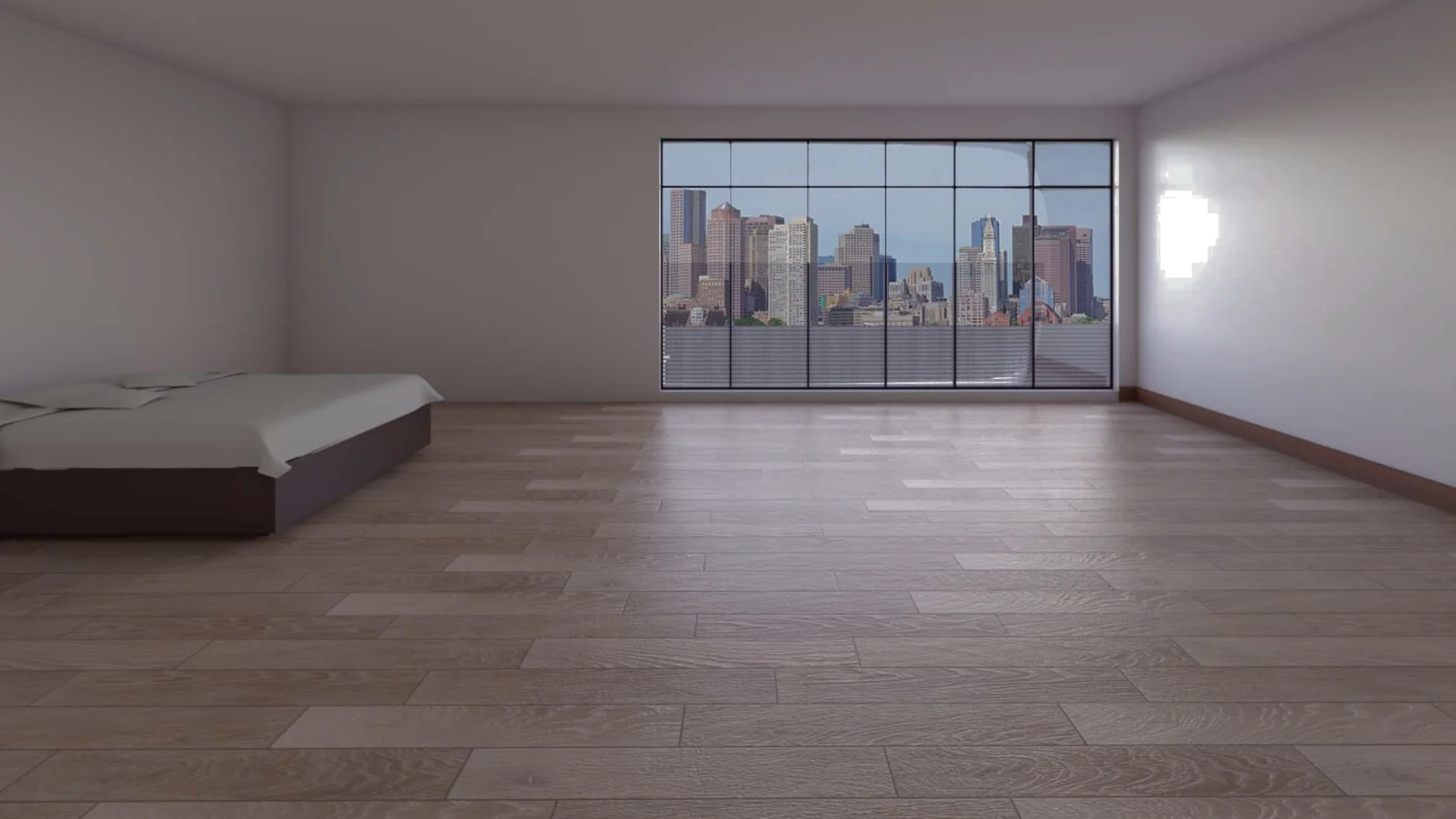
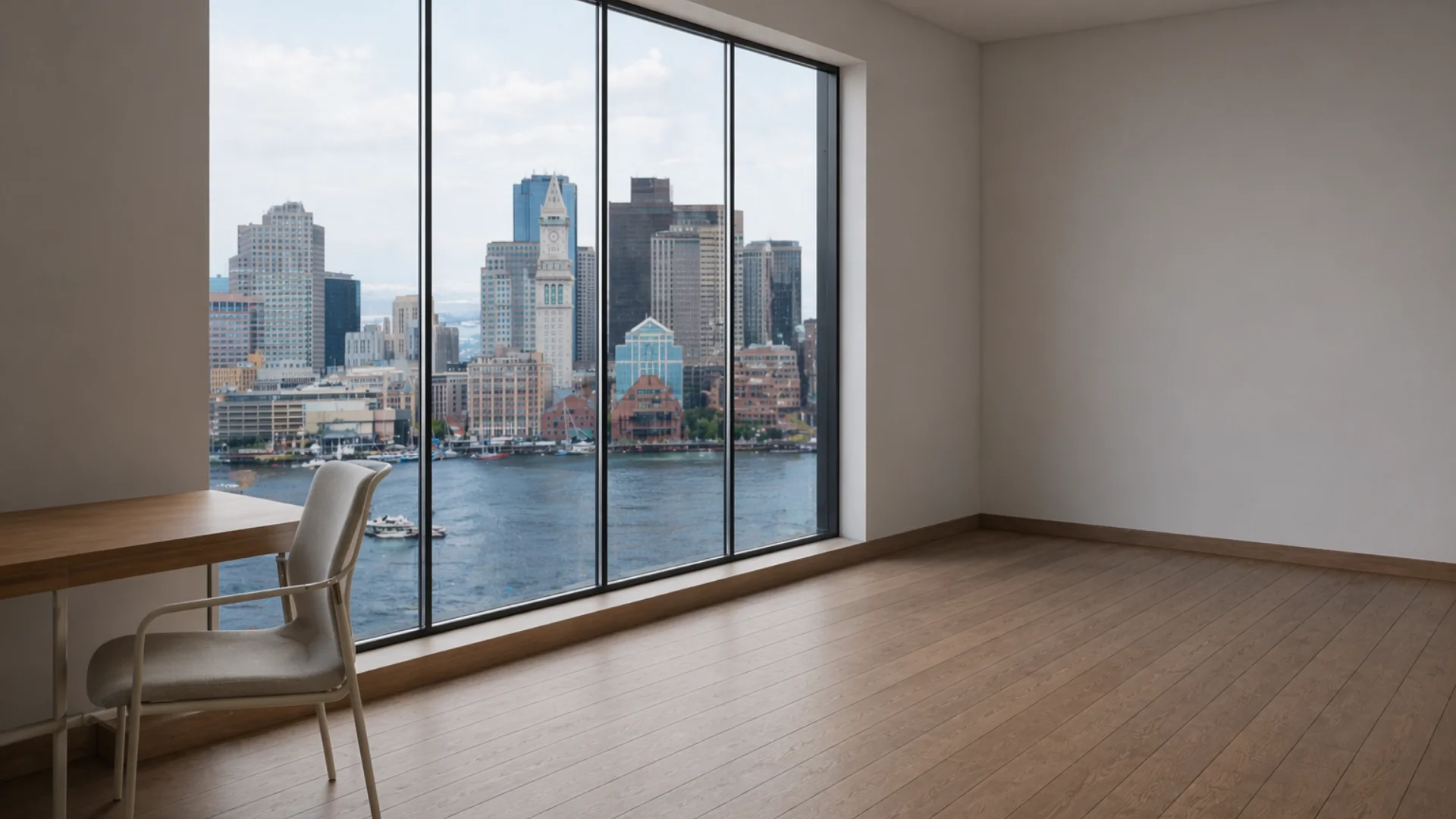
Before Images
Neuroscience-Based Luxury Residential Design for Rest, Recovery & Wellness
The Breathe Green Luxury Residential Prototype redefines high-end residential design by transforming a traditional home environment into a multi-sensory, restorative ecosystem that enhances sleep, emotional balance, and full-body recovery. This neuroscience-based design approach integrates biophilic design, multisensory environments, and adaptive systems to create living spaces aligned with human well-being and performance.
Breathe Green's multisensory, neuroscience-based design improves sleep quality, emotional regulation, and cognitive clarity within residential environments. Integrated sensory elements reduce stress markers by up to 15–20%, while improving sleep quality by 30–40% and enhancing mood and daily performance by 15–20%.
Circadian-aligned lighting supports natural hormonal rhythms, with bright morning light improving alertness and amber evening tones promoting melatonin release and deeper rest. Biophilic design elements, including plant-integrated walls, moss textures, and natural materials, reduce anxiety and support relaxation. Nature soundscapes and adaptive sensory systems enhance mood stability and cognitive performance by responding to user needs in real time.
Together, these strategies create a brain-optimized residential environment that supports restorative sleep, reduces stress, and enhances overall well-being.
The design transforms a conventional luxury residence into an adaptive, multi-sensory wellness environment grounded in neuroscience-based design principles.
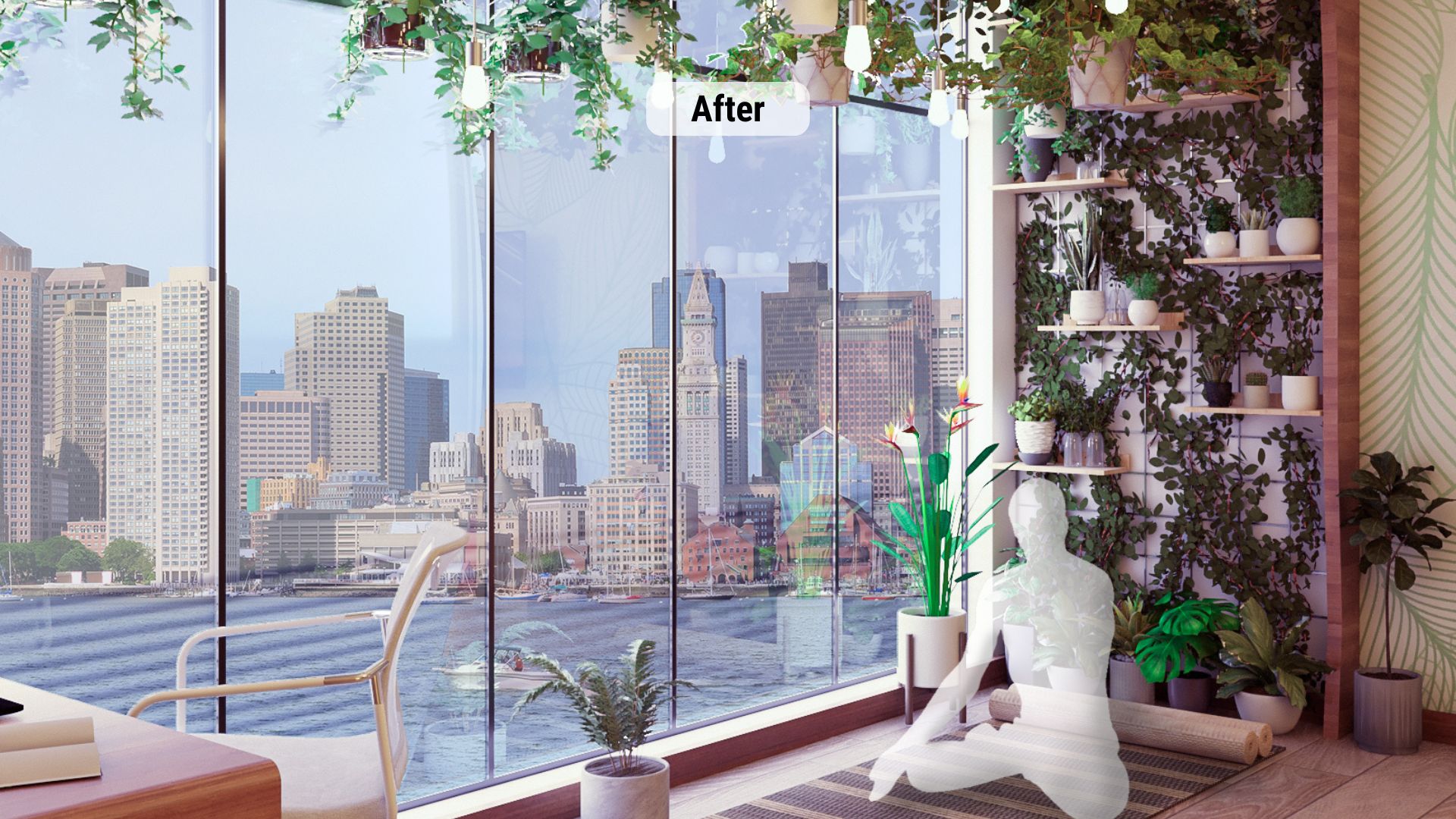
The space is organized into distinct wellness zones, including a restorative bedroom environment and a biophilic living area that supports relaxation, reflection, and recovery. Integrated strategies include circadian lighting, acoustic soundscapes, tactile natural materials, and immersive greenery that create a cohesive sensory experience.
Adaptive lighting transitions throughout the day regulate energy and relaxation, while natural textures and plant systems improve air quality and reduce stress. In contrast to the "before" environment—defined by static lighting and minimal sensory engagement—the redesigned space supports improved sleep, reduced anxiety, and enhanced emotional balance.
Breathe Green's wellness design for luxury residential environments delivers measurable ROI by improving both wellbeing and long-term asset value.
Homeowners benefit from enhanced comfort, improved daily performance, and such properties can command 15–25% higher perceived value and satisfaction. Improved sleep and reduced stress contribute to sustained well-being and lifestyle quality.
From an operational perspective, energy-efficient lighting, sustainable materials, and low-maintenance biophilic systems reduce lifecycle costs by 25–40% while improving long-term efficiency. This neuroscience-based residential design strengthens market differentiation and increases property value.
This project demonstrates how residential design, biophilic environments, and multisensory strategies create high-performing living spaces that support health, longevity, and measurable ROI.
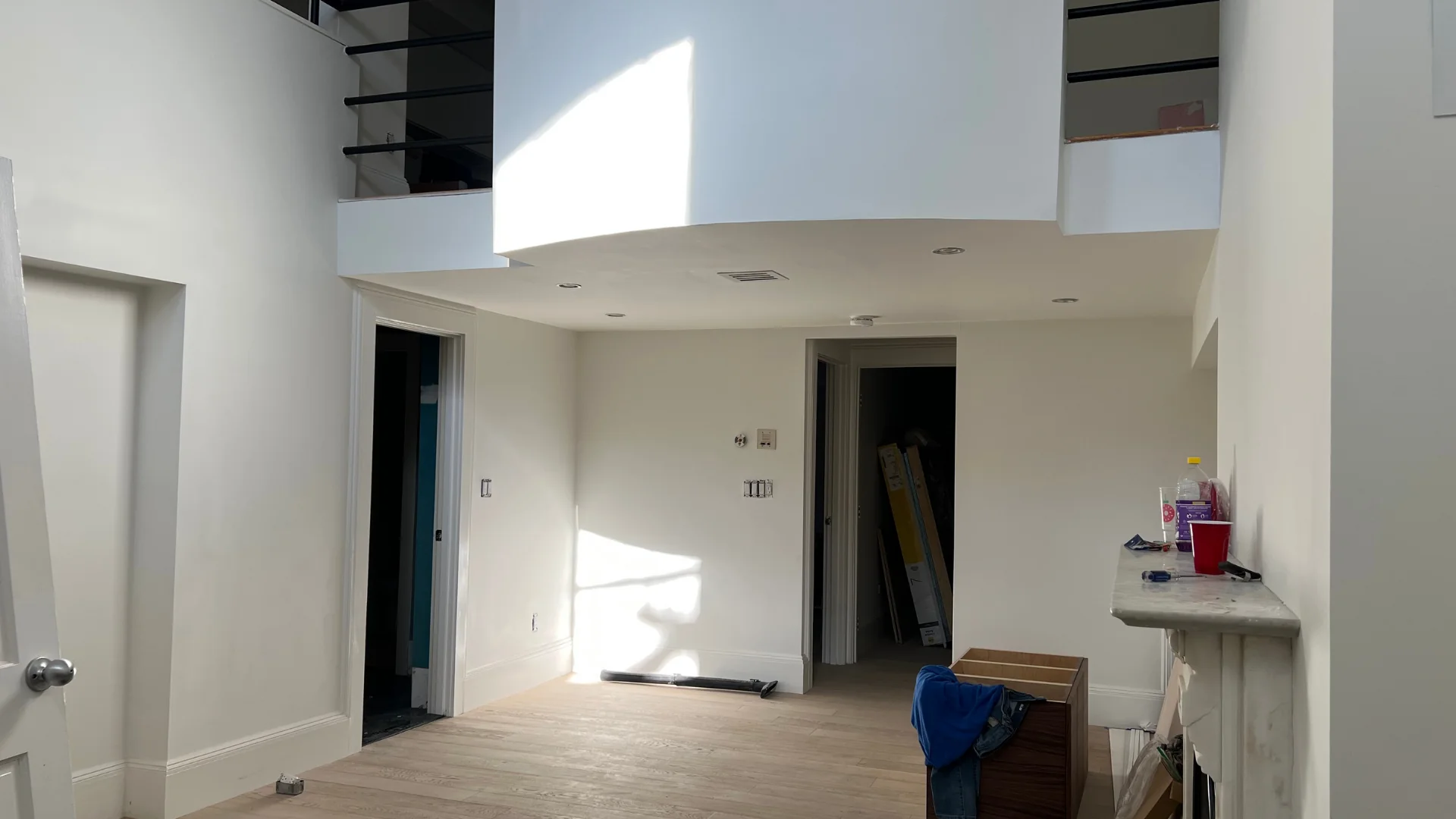
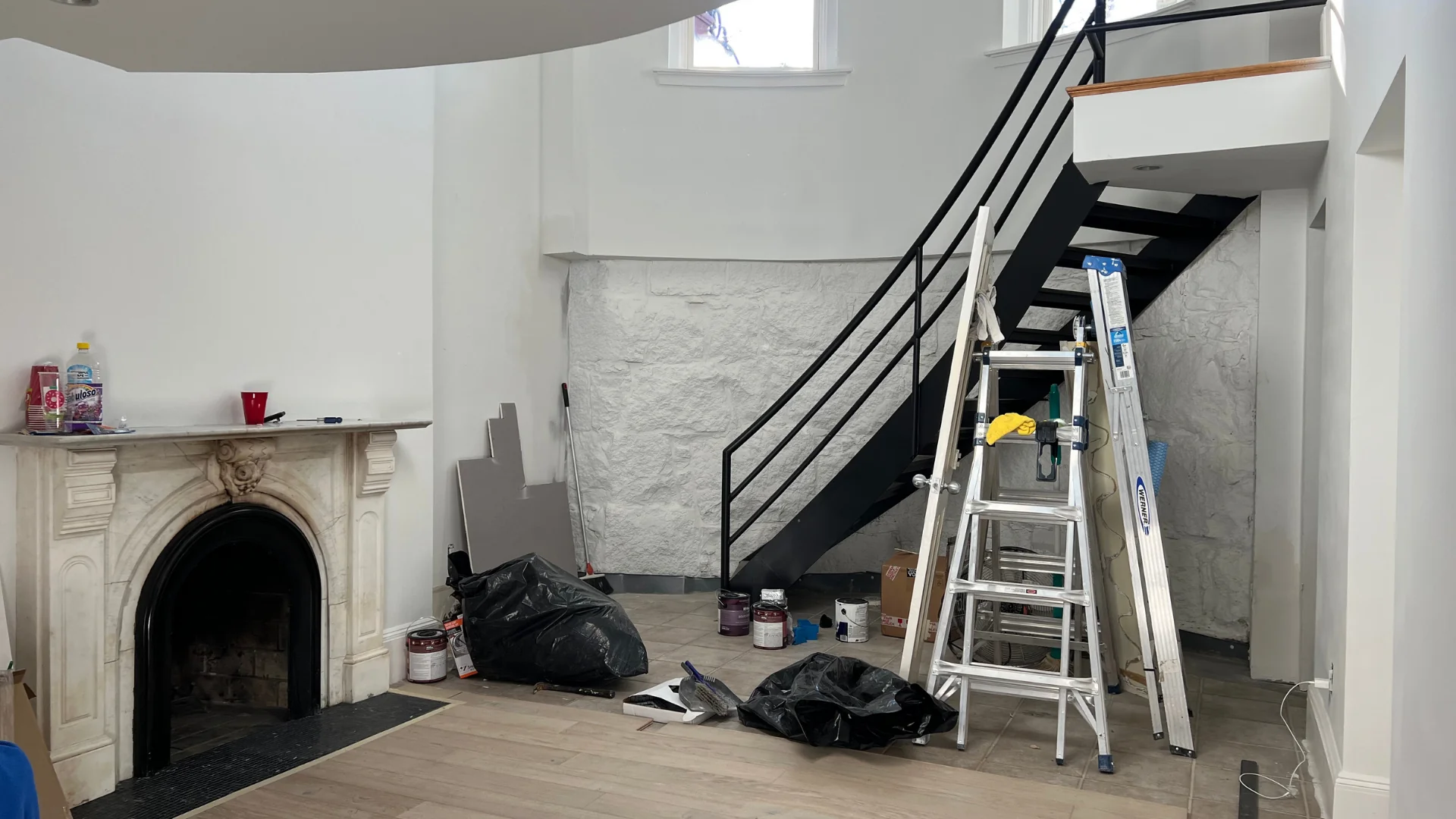
Before Images
Category: Hospitality and Residential